Before Rome
The Piceni
Long before Rome, the hills around Treia belonged to the Piceni, the ancient people of Le Marche. One of their settlements stood on nearby Monte Pitino.
The Region
Our village
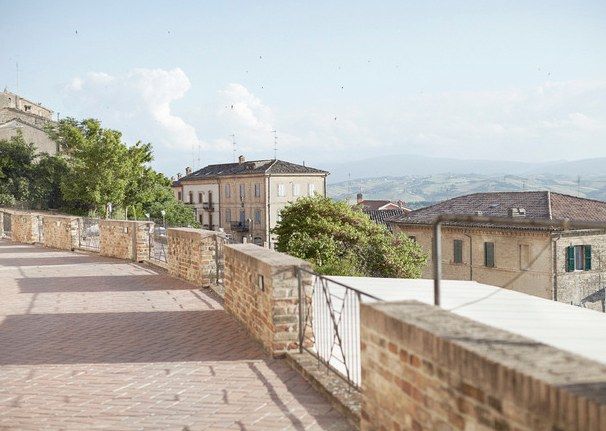
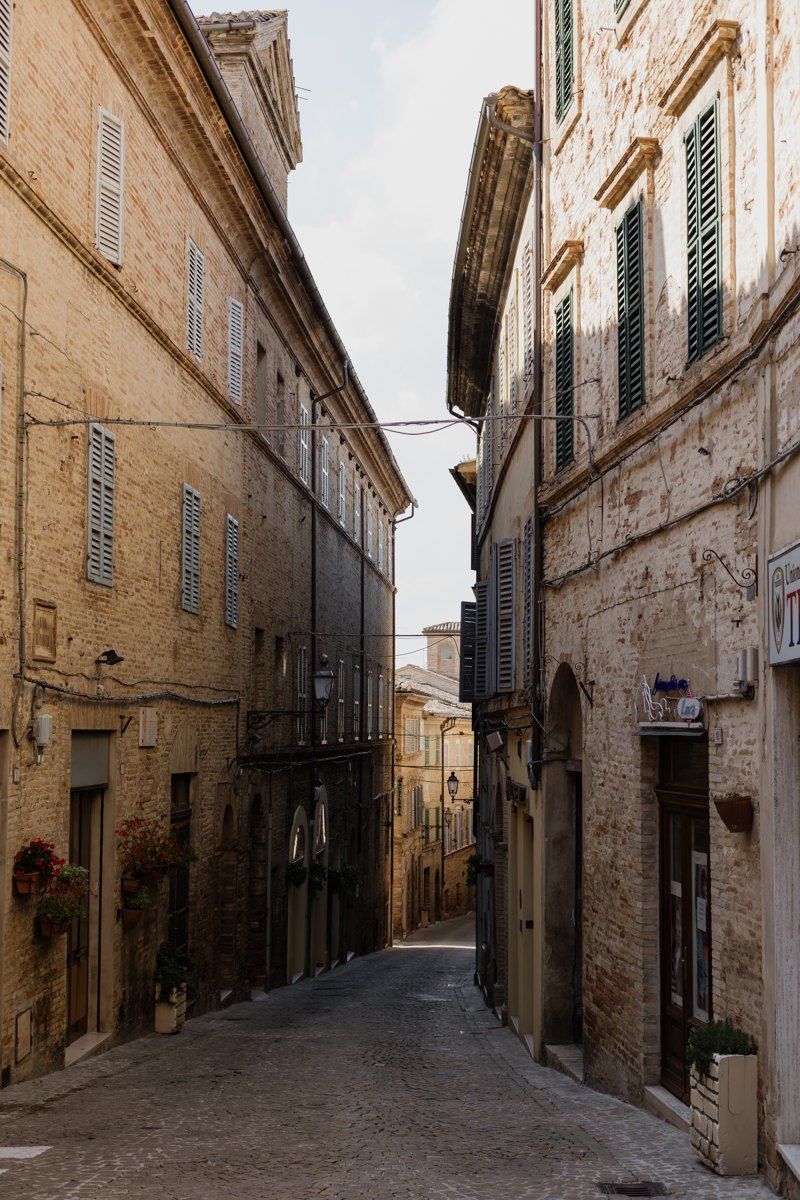
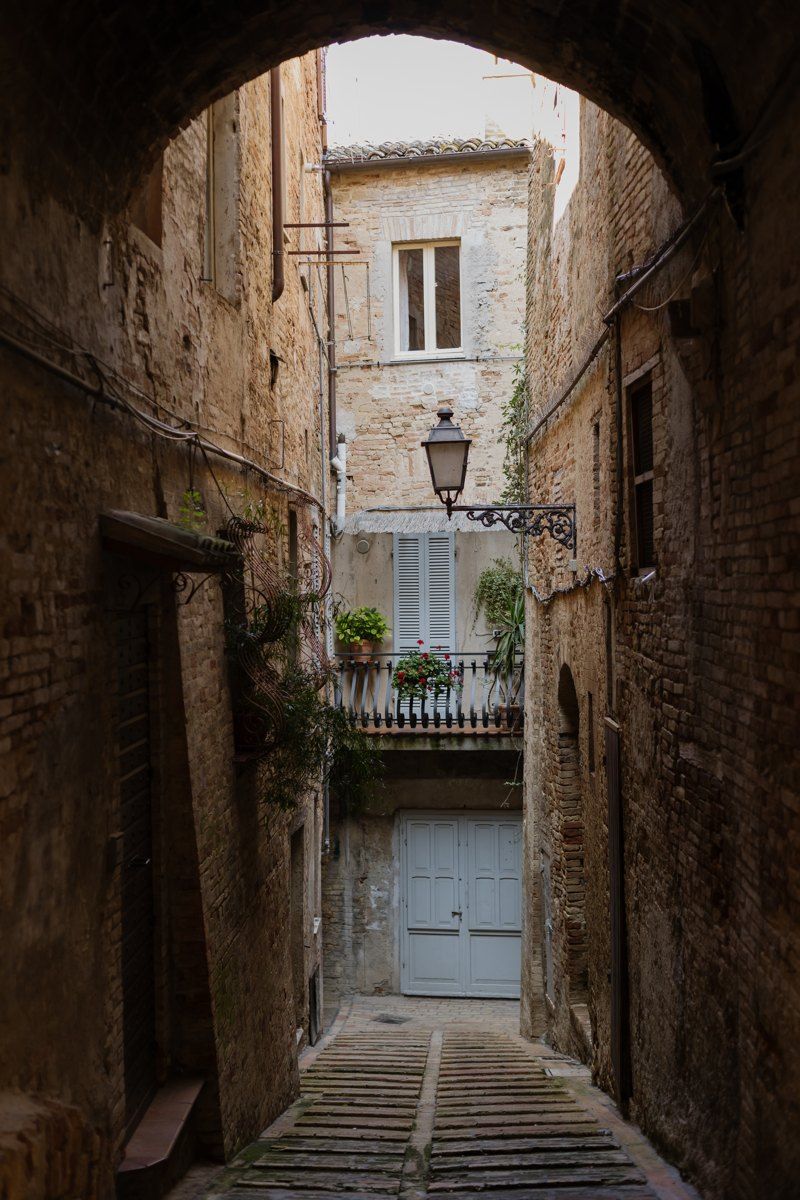
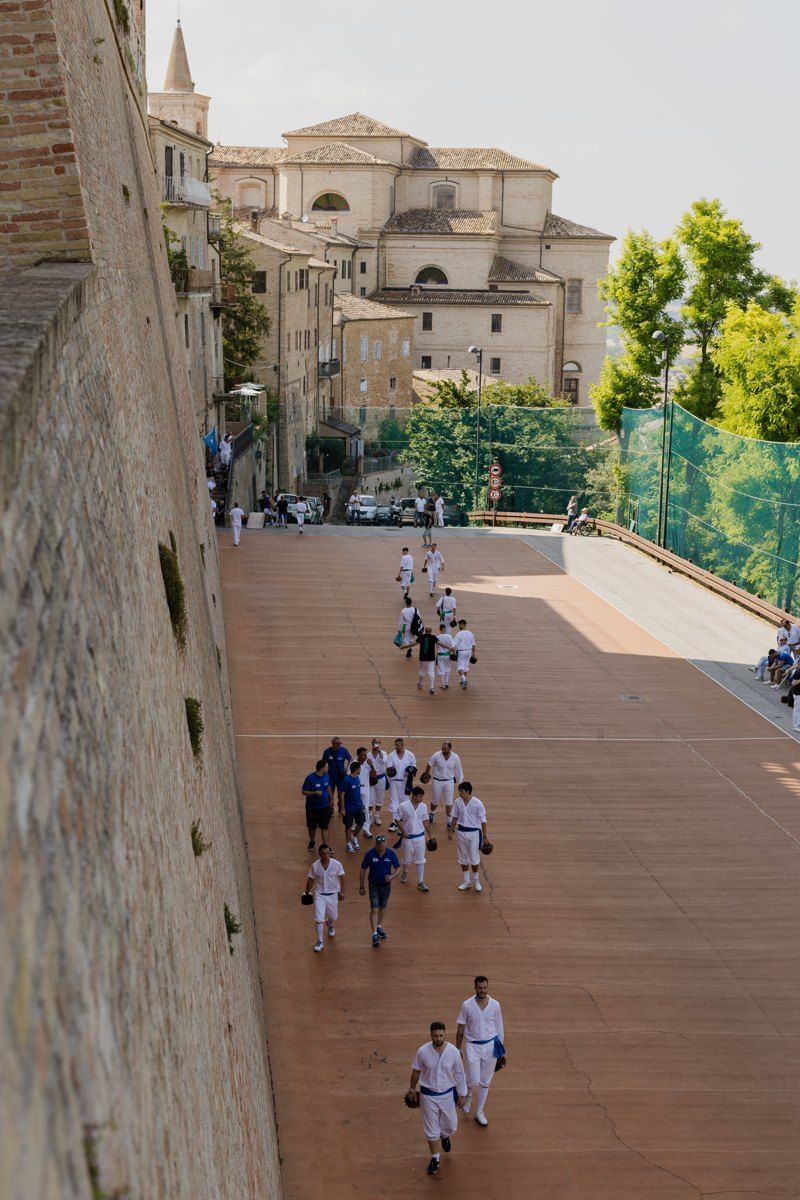
Treia rises on its hilltop behind old brick walls, a short drive from Casa Olivi. Once the Roman town of Trea, it took back the name Treia in 1790. Today it is a town of narrow lanes, archways and palazzi, the home of the bracciale, and the town where the writer Dolores Prato grew up.
A writer from Treia
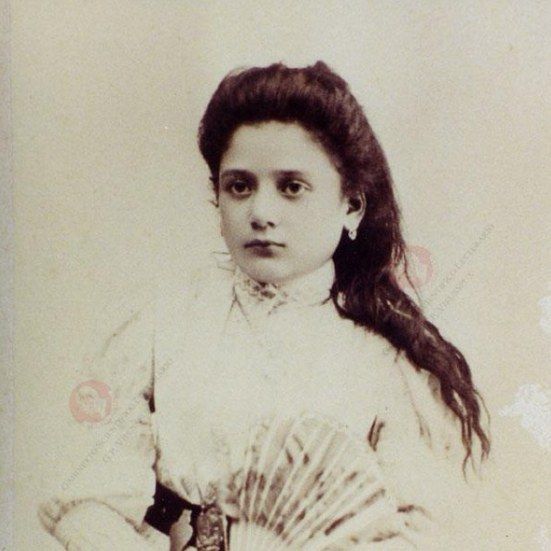
Born in Rome in 1892, Dolores Prato grew up in Treia. Almost ninety, she finished Giù la piazza non c’è nessuno (“Down in the square there’s no one”), her memoir of a childhood in the town, now considered a classic of Italian literature and translated into French, German and Dutch.
Walk in her footsteps: a guided visit of Dolores Prato’s Treia can be arranged on request through our concierge.
The Region
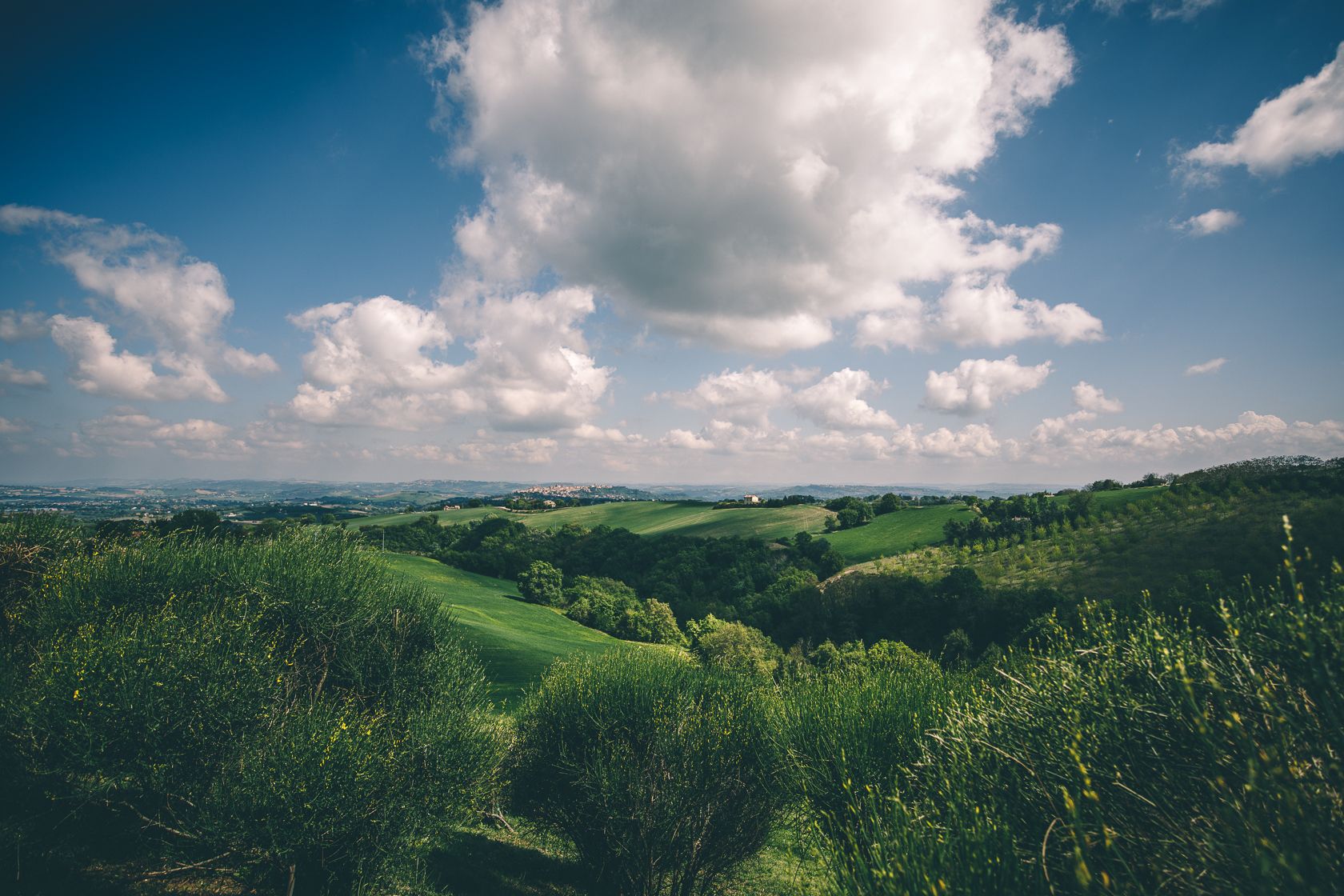
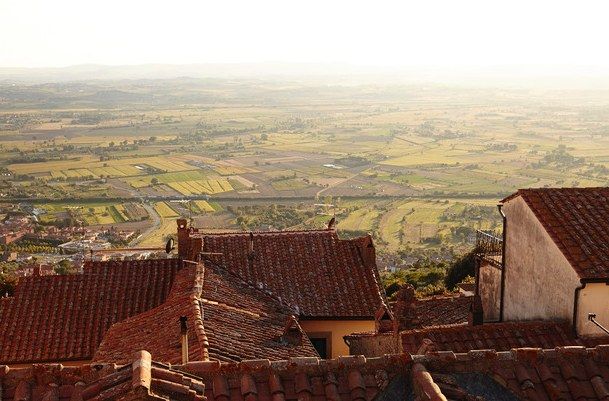
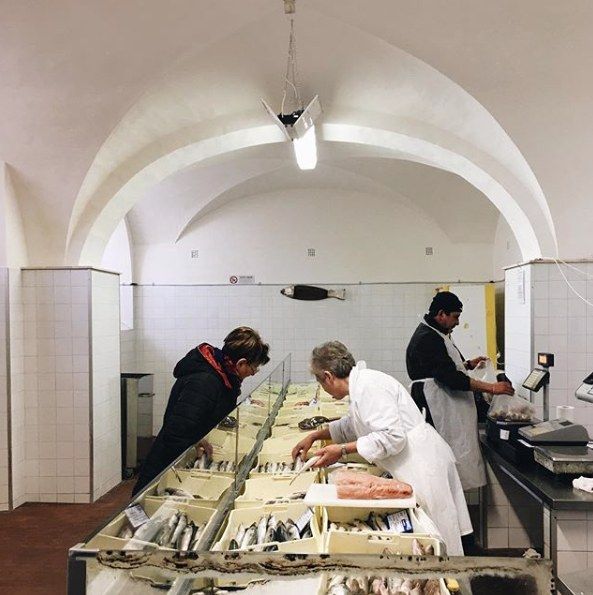
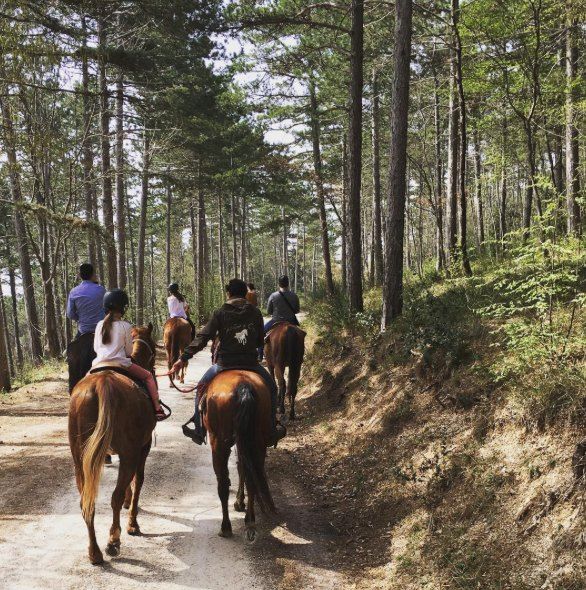
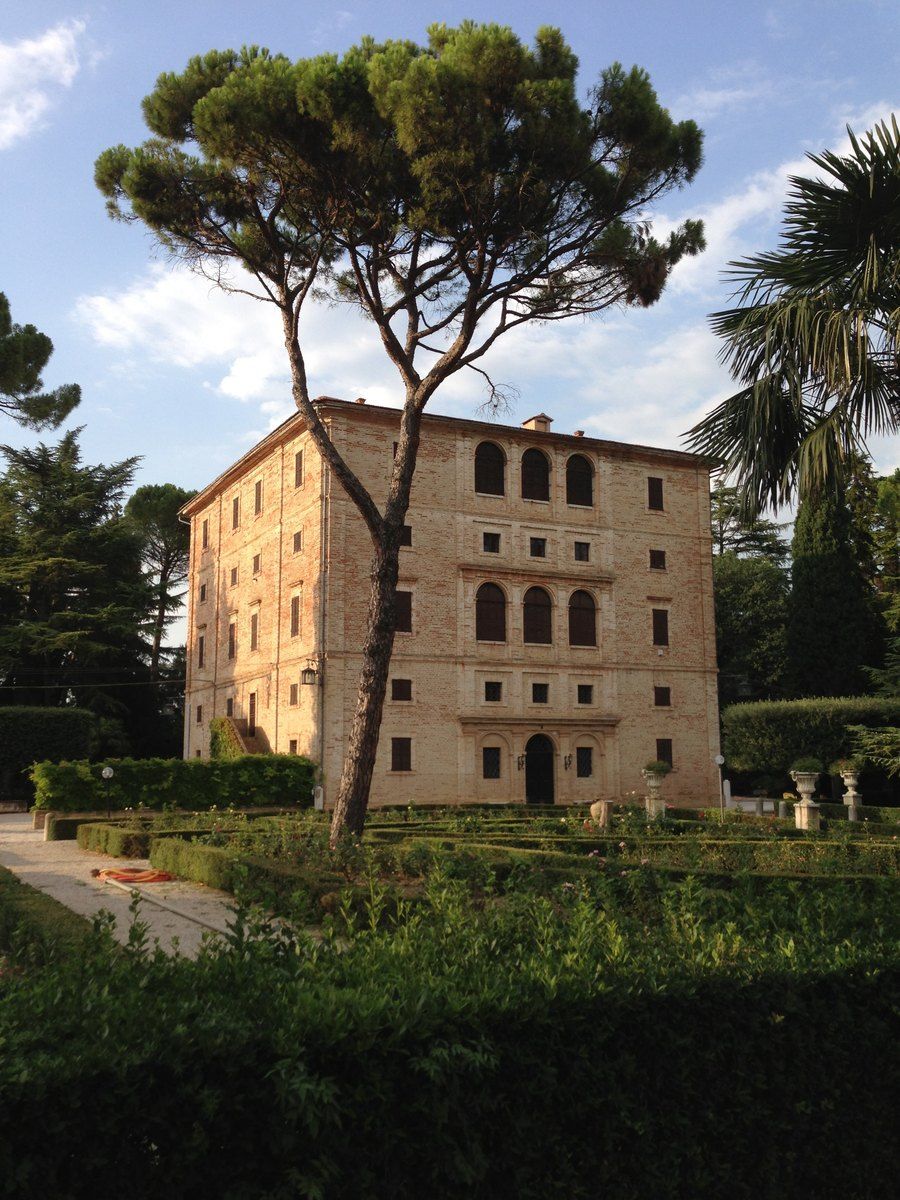
Rolling hills, market towns and one-street villages, between the Apennines and the Adriatic Sea. Shop at the fish market in Treia, then cook your finds in the kitchen at home.
Local Specialities
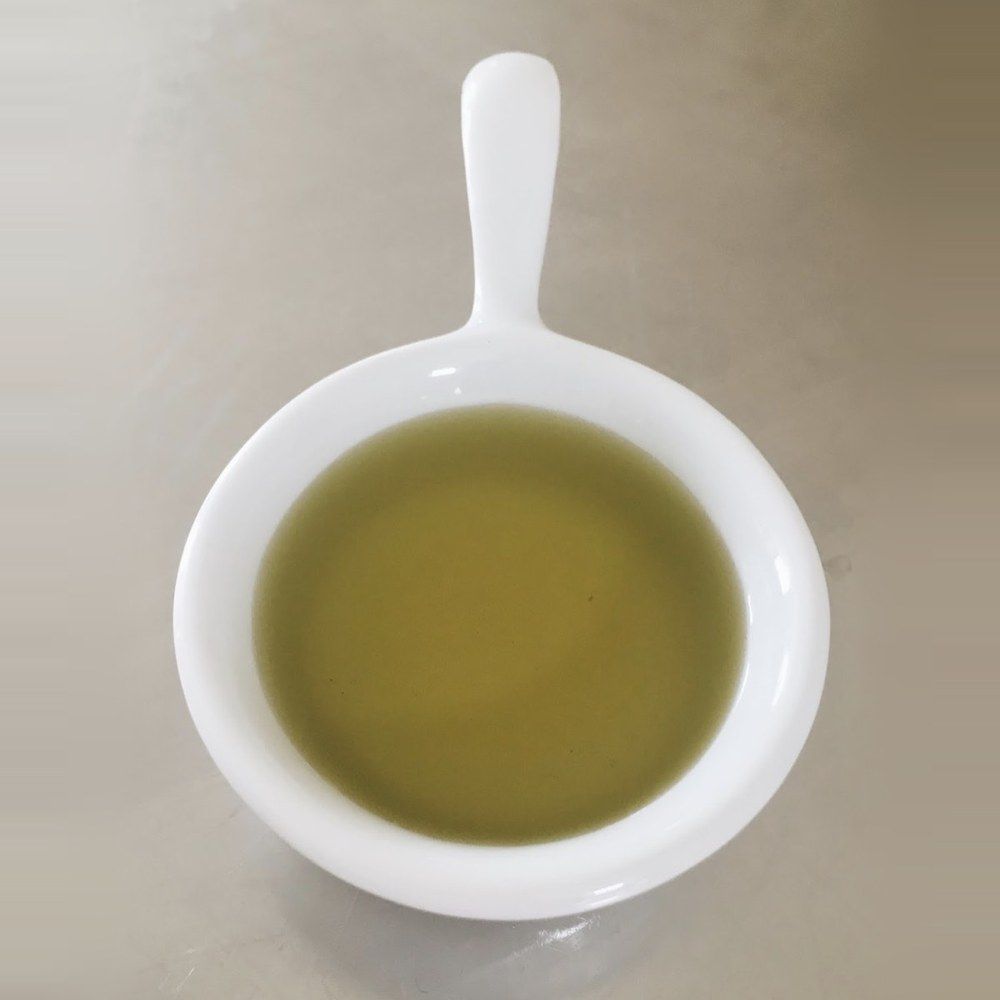
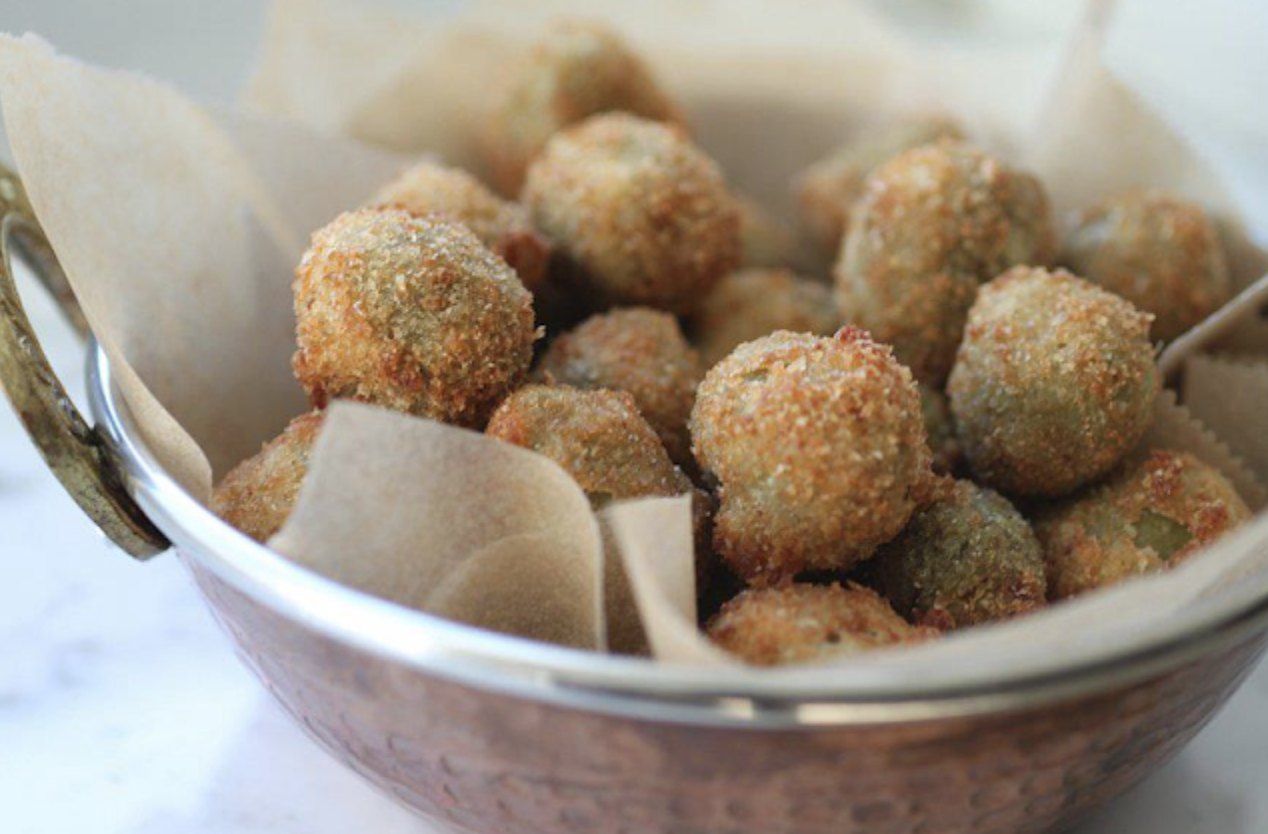
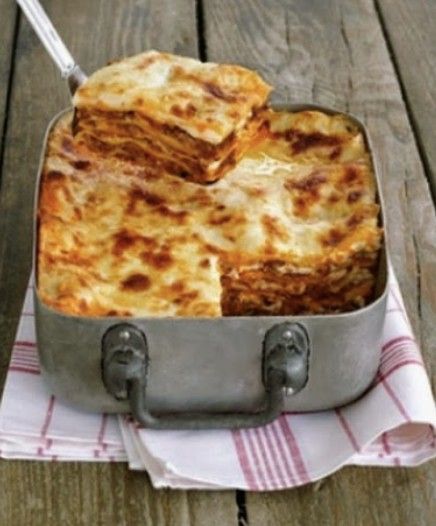
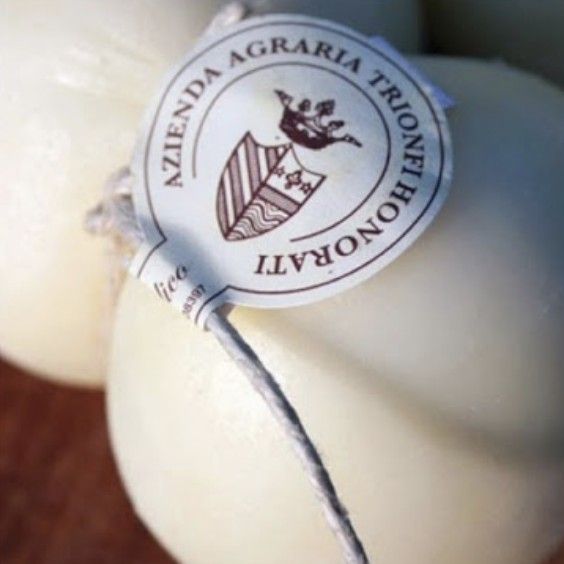

Art Cities
History & Culture
Before Rome
Long before Rome, the hills around Treia belonged to the Piceni, the ancient people of Le Marche. One of their settlements stood on nearby Monte Pitino.
1st century BC
Soon after 49 BC, Trea became a Roman town. It flourished under Augustus; traces of a sanctuary to Isis and Serapis were found beneath today’s Santissimo Crocifisso.
1790
Around the year 1000 the people moved up to the safer hilltop of Montecchio. In 1790 Pope Pius VI made it a city and gave back its Roman name: Treia.
Every summer
Treia is the home of pallone col bracciale, an old Italian ball game played with a wooden bracelet. Every summer the town hosts its championship and, on the first Sunday of August, the Disfida between its four districts, in honour of local champion Carlo Didimi, praised by Leopardi in 1821.
Since 1921
Macerata’s open-air arena, built in the 1820s for the same ball game, has staged opera since Verdi’s Aida in 1921.
1798
Italy’s great Romantic poet was born in Recanati, half an hour away; his family palazzo and library can be visited.